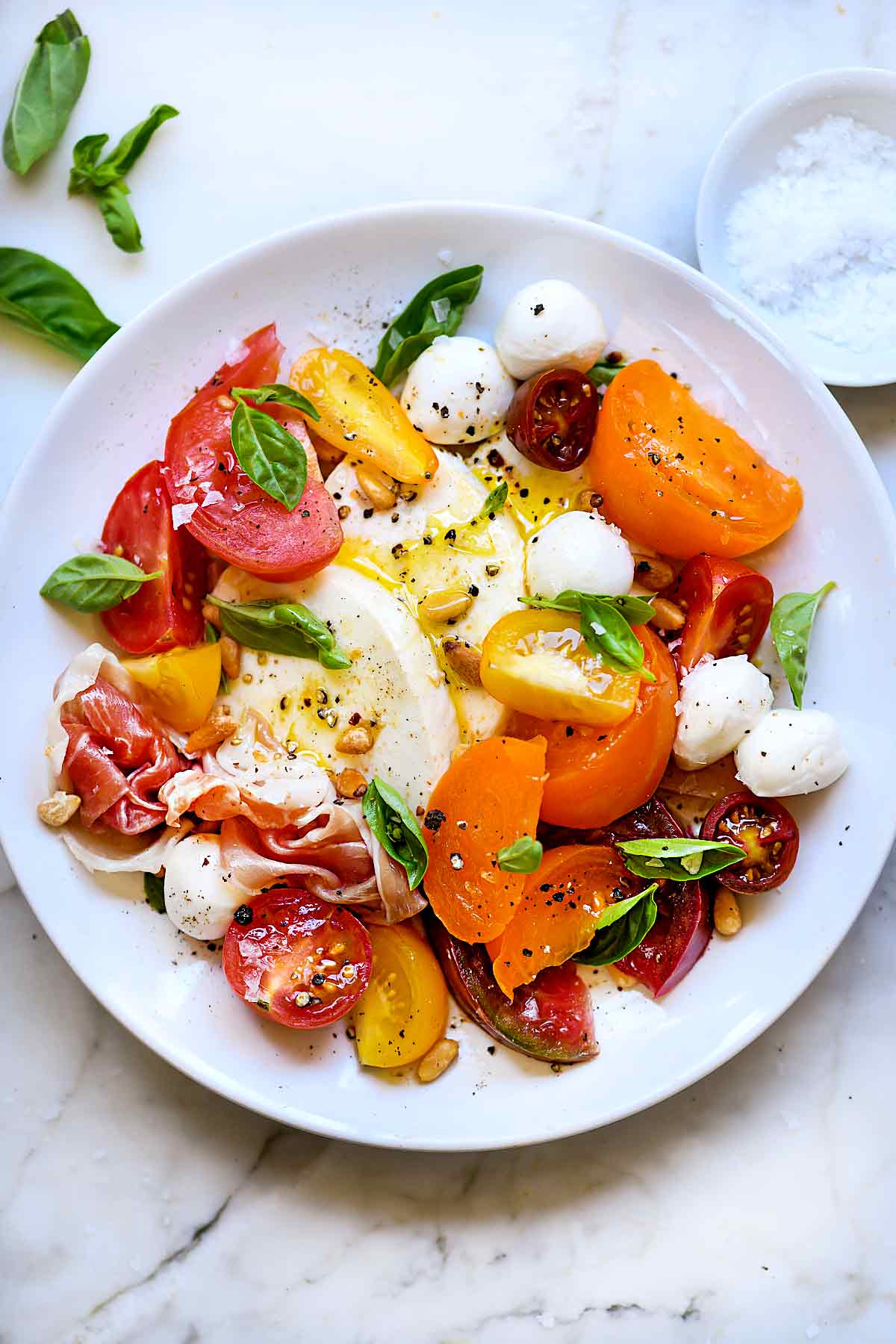
Perfect Caprese Salad: Never Bland or Messy Again with This Revolutionary Dressing Method
Ah, the Caprese salad. Its mere mention conjures images of vibrant Italian flavors, sun-ripened tomatoes, creamy mozzarella, and fragrant basil. It's a dish universally adored for its simplicity and the elegant representation of the Italian flag's colors. Yet, for all its charm, the classic Caprese salad can often disappoint. Many home cooks struggle with a salad that’s either woefully bland, merely dressed with plain olive oil, or, conversely, a messy, brown-stained disaster from being tossed directly with balsamic vinegar.
But what if we told you there’s a simple, yet game-changing secret to achieving a Caprese salad that’s consistently bursting with flavor, visually stunning, and never, ever bland or messy? The answer lies not in a single dressing, but a sophisticated two-part approach that transforms this beloved classic into an unforgettable culinary experience. Prepare to revolutionize your Caprese salad technique and delight your taste buds!
The Secret to a Sensational Caprese Salad: It's All in the Dressing
The common pitfalls of Caprese salad dressing stem from a misunderstanding of how balsamic vinegar interacts with delicate fresh mozzarella. Tossing pearly white mozzarella balls directly with balsamic vinegar inevitably leads to unsightly brown stains, detracting from the salad's pristine appearance. On the other hand, relying solely on olive oil leaves the dish tasting underdeveloped and flat. Our solution? A masterful two-step dressing process that ensures every bite is flavorful and visually appealing.
The Foundation: A Zesty Garlic-Herb Vinaigrette
Instead of plain olive oil, the base of our perfect Caprese salad is a bright, aromatic garlic-herb vinaigrette. This serves as the primary dressing, thoroughly coating the tomatoes and mozzarella with a delicious, savory layer of flavor before anything else. Why a vinaigrette?
- Unrivaled Flavor: A good vinaigrette, made with quality olive oil, a touch of vinegar (like white wine or apple cider vinegar), minced garlic, and fresh herbs (such as oregano or parsley), infuses the entire salad with a complexity that olive oil alone simply can't match. It provides a zesty kick and an herbaceous depth.
- Enhanced Aesthetics: The tiny specks of garlic and herbs within the vinaigrette add visual interest and a rustic charm that’s far more appealing than a monotonous coat of oil.
- Healthier Balance: Often, a well-balanced vinaigrette uses less oil overall than simply drizzling olive oil liberally, making it a lighter, healthier option without sacrificing taste.
To prepare this foundational dressing, whisk together extra virgin olive oil, a splash of white wine vinegar, finely minced garlic, a pinch of dried oregano or fresh chopped parsley, salt, and freshly ground black pepper. This simple emulsion provides the essential "oomph" that prevents blandness. For more ideas on how to layer flavors for an authentic taste, check out our guide on Authentic 5-Minute Caprese: Taste Italian History & Fresh Flavors.
The Grand Finale: A Drizzle of Balsamic Glaze
Once your salad is thoroughly coated with the garlic-herb vinaigrette, it's time for the signature balsamic touch – but with a crucial difference. We use a balsamic glaze, also known as balsamic reduction, applied as a final drizzle just before serving. This thick, intensely sweet-tangy syrup is the magic component that delivers that beloved balsamic flavor and classic look without turning your beautiful fresh mozzarella brown.
- Concentrated Flavor: Balsamic glaze boasts a concentrated flavor profile that's both sweet and tangy. Because of its intensity, you only need a small amount – a mere drizzle – to make a significant impact. Overuse will overwhelm the delicate flavors of the tomatoes and mozzarella.
- Visual Perfection: Drizzling the thick glaze at the end creates elegant streaks of dark amber, providing the iconic visual contrast without compromising the pristine white of the mozzarella.
- Convenience: While you can absolutely make your own balsamic reduction by simmering balsamic vinegar until it thickens, high-quality store-bought balsamic glaze is readily available, cost-effective, and has an incredibly long shelf life. It’s a convenient pantry staple for elevating many dishes.
This two-pronged approach ensures a deeply flavorful Caprese salad that maintains its stunning visual appeal, proving that a little culinary finesse can make all the difference.
Beyond the Basics: Selecting Your Star Ingredients
While the dressing method is paramount, the quality of your ingredients is equally vital for a truly exceptional Caprese salad. After all, this dish celebrates the inherent deliciousness of a few simple components.
Choosing the Perfect Mozzarella
Forget the shredded, low-moisture mozzarella you use for pizzas and casseroles. A true Caprese salad demands fresh mozzarella cheese. This isn't just any cheese; it's soft, incredibly milky, and unlike most cheeses, remarkably unsalty, offering a delicate flavor reminiscent of fresh ricotta but with a distinct, springy texture.
For the ideal Caprese salad, we recommend using baby mozzarella, often called cherry mozzarella or bocconcini. These small, pearl-sized balls are perfectly portioned. While many recipes simply keep them whole, a simple trick can elevate your salad both in taste and presentation:
- Halve Your Bocconcini: By halving each bocconcini ball, you achieve a more balanced bite, ensuring that the creamy mozzarella is distributed evenly with the juicy tomatoes. This also makes the mozzarella go further, which is a welcome tip given that fresh mozzarella can be a bit pricier.
- Nutritional Insight: Fresh mozzarella, including bocconcini, is a healthier cheese option compared to aged varieties like cheddar. It's generally lower in calories, fat, and sodium. However, like all cheeses, it contains saturated fat, so moderation is key for cardiovascular health. Enjoy this creamy delight mindfully!
For more insights into choosing and preparing the best mozzarella for your salad, dive into our comprehensive guide: Elevate Your Caprese: Mozzarella Tips, Ratios & Flavor Secrets.
Ripe Tomatoes and Fragrant Basil
The tomato is the undisputed star of a Caprese salad, providing vibrant color and juicy sweetness. Cherry tomatoes are ideal here, as their size mirrors that of the halved bocconcini, again contributing to that perfect bite. The key is to select ripe, flavorful tomatoes – the kind that burst with natural sweetness and a slight tang.
Achieving the right balance between tomato and mozzarella is crucial. We suggest a ratio of approximately 1:2 bocconcini to cherry tomatoes by weight. This ensures a generous amount of juicy tomato to complement the creamy cheese, though you should always feel free to adjust to your personal taste.
And finally, basil. Fresh, fragrant basil leaves are not just a garnish; they're an integral flavor component. Their peppery, slightly sweet aroma completes the Italian trifecta of flavors. Gently tear the basil leaves rather than chopping them to preserve their delicate oils and prevent bruising.
Crafting Your Perfect Caprese: Assembly & Serving Suggestions
With your exceptional ingredients and two-part dressing ready, assembling your flawless Caprese salad is quick and satisfying:
- Prepare Ingredients: Halve your cherry tomatoes and bocconcini. Gently tear your fresh basil leaves.
- Dress the Foundation: In a large bowl, combine the halved tomatoes and mozzarella. Pour the garlic-herb vinaigrette over them and toss gently to ensure everything is evenly coated.
- Arrange and Garnish: Artfully arrange the dressed tomatoes, mozzarella, and basil leaves on a serving platter or individual plates.
- The Grand Drizzle: Just before serving, lightly drizzle the balsamic glaze over the entire salad. Remember, less is more!
The beauty of Caprese salad lies in its versatility. It’s famously quick to prepare (often in under 5 minutes!) and suitable for various occasions:
- Elegant Appetizer: Serve small portions as a stunning starter.
- Vibrant Side Dish: A perfect accompaniment to grilled meats, pasta, or pizza.
- Light Meal: Enjoy it as a refreshing main course, perhaps with a side of crusty bread to soak up the delicious dressing.
- Creative Topper: Pile it onto toasted bruschetta, or even mix it with smashed avocado on toast for an unexpected twist.
A Taste of History: The Origins of Caprese Salad
The Caprese salad, or "Insalata Caprese," is far more than just a simple mix of ingredients; it's a culinary icon deeply embedded in Italian culture. This "cult dish" of Italian cuisine proudly originated on the picturesque island of Capri, nestled in the Gulf of Naples within the Campania region. True to many Italian dishes, its geographical birthplace gave the salad its evocative name.
Legend has it that the Caprese salad first graced tables in the 1920s, perhaps at a dinner reception for a famous Italian poet. It was an ingenious attempt to introduce fresh, vibrant notes to a traditional menu, while simultaneously celebrating the patriotic colors of the Italian flag – green basil, white mozzarella, and red tomatoes. This simple yet profound dish quickly captured hearts, becoming a timeless symbol of Italian freshness and culinary ingenuity.
Conclusion
Say goodbye to bland and messy Caprese salads forever. By embracing the simple yet transformative two-part dressing method – starting with a flavorful garlic-herb vinaigrette and finishing with a delicate drizzle of balsamic glaze – you unlock the full potential of this Italian classic. Combine this with carefully selected, high-quality ingredients like fresh bocconcini, ripe cherry tomatoes, and fragrant basil, and you’ll create a dish that’s not only a feast for the eyes but an explosion of balanced flavors. So go ahead, elevate your next Caprese experience and savor the taste of Italy, perfected.
