Authentic 5-Minute Caprese: Taste Italian History & Fresh Flavors
Few dishes capture the essence of Italian culinary simplicity and vibrant flavor quite like the
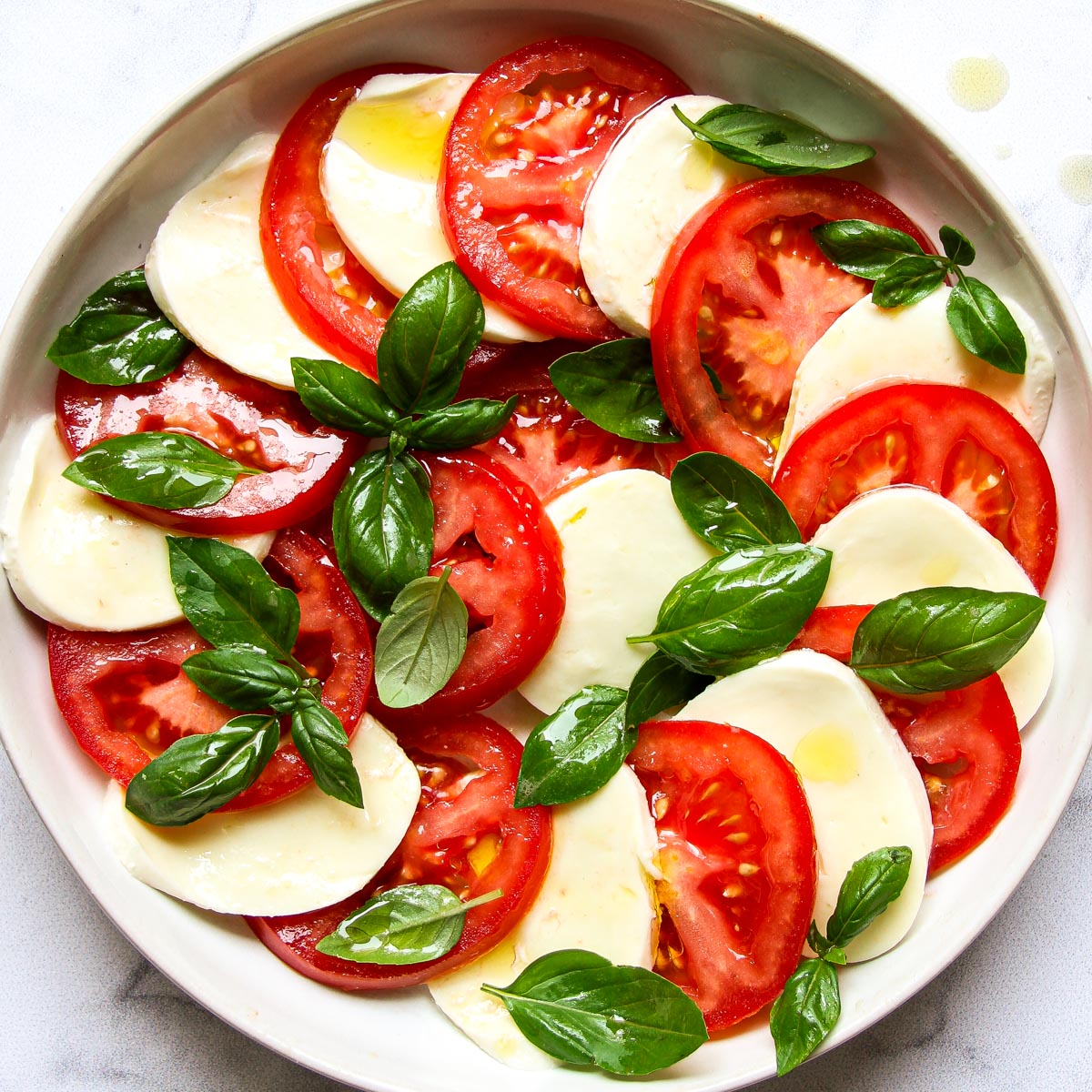
caprese salad. A true icon of Italian cuisine, this classic dish is more than just a combination of ingredients; it's a celebration of freshness, color, and tradition. Imagine succulent ripe tomatoes, creamy fresh mozzarella, fragrant basil leaves, all coming together in a symphony of taste that's ready in mere minutes. Yet, despite its deceptive simplicity, a truly outstanding Caprese salad often eludes home cooks, frequently resulting in either a bland experience or a messy, unappetizing presentation. This article will unveil the secrets to crafting an authentic, flavorful, and visually stunning 5-minute Caprese, ensuring every bite is a delightful journey through Italian history and fresh, exhilarating flavors.
The Vibrant Heart of Italy: A Bite of History and Patriotism
The origins of the beloved
Caprese salad, or *insalata Caprese*, are deeply rooted in the picturesque Campania region of Italy, specifically on the enchanting island of Capri, nestled in the Gulf of Naples. As with many Italian culinary treasures, the geographical origin lends its name to the dish, firmly cementing its place in Italian heritage. But the story of Caprese salad is not just about a place; it’s also steeped in a charming legend.
According to lore, the Caprese salad first gained prominence in the 1920s. It was reportedly created for a dinner reception attended by a famous Italian poet and his colleague, serving as a fresh, lighter alternative to the richer dishes typically found on restaurant menus. More profoundly, it was an ingenious way to subtly emphasize the patriotic colors of Italy, presenting a culinary homage to the national flag. The brilliant red of ripe tomatoes, the pristine white of fresh mozzarella, and the verdant green of fragrant basil leaves collectively form the Italian *tricolore*, making every serving of Caprese a delicious declaration of national pride. This blend of simple, high-quality ingredients – arguably the most popular in Italy – combined with its symbolic significance, elevated the humble Caprese salad from a simple dish to a cult classic, celebrated for its freshness, ease, and profound connection to Italian culture.
Unlocking Unforgettable Flavor: The Secret to a Superior Caprese Salad
Many home cooks approach
Caprese salad with enthusiasm, only to be met with disappointment. The typical pitfalls include a bland taste, often due to an inadequate dressing, or a rather unappetizing appearance, usually the result of balsamic vinegar being haphazardly tossed with the delicate mozzarella. The key to truly elevating your Caprese from ordinary to extraordinary lies in understanding the art of dressing – a revelation that transforms the entire experience.
The misconception often arises from assuming that a simple drizzle of olive oil or a direct toss with balsamic is sufficient. While traditional Caprese often features a simple olive oil dressing, to achieve a depth of flavor that truly sings, we employ a two-tiered dressing strategy.
First, the primary dressing: a light and flavorful garlic-herb vinaigrette. This vinaigrette is gently tossed through the tomatoes and mozzarella *before* serving. Why a vinaigrette? Plain olive oil, while classic, can sometimes leave the salad feeling a bit one-note. A vinaigrette, especially one infused with garlic and fresh herbs, introduces a nuanced layer of savory aromatics that penetrates every component of the salad. It coats the ingredients evenly, adding moisture and flavor without overwhelming them. Plus, the subtle specks of herbs add an appealing visual texture, and it's a lighter option than drenching the salad in copious amounts of oil.
Second, the finishing touch: a rich balsamic glaze, also known as balsamic reduction. This is where the Caprese gets its signature sweet-tangy burst and elegant visual appeal. Unlike balsamic vinegar, which can stain the pearly white mozzarella an unfortunate brown if tossed directly, the glaze is thick, intense, and meant to be drizzled sparingly just before serving. Its concentrated sweet-tangy profile means a little goes a long way, providing that distinctive finish without overwhelming the fresh flavors of the other ingredients. While you can certainly make balsamic reduction from scratch, many high-quality store-bought options are readily available, offering convenience and a long shelf life. For more detailed insights into crafting the perfect dressing combination, make sure to check out our dedicated guide:
Perfect Caprese Salad: Never Bland or Messy Again with This Dressing. This two-pronged approach ensures your Caprese salad is not only bursting with flavor but also visually stunning, maintaining the pristine beauty of its individual components.
The Star Ingredient: Fresh Mozzarella Unveiled
No discussion of the
Caprese salad is complete without delving into its creamy, white heart: fresh mozzarella cheese. It's crucial to understand that the mozzarella used for Caprese is distinctly different from the aged, drier mozzarella you typically grate for pizzas or casseroles. Fresh mozzarella is characterized by its soft, moist texture and its mild, almost unsalted flavor, often likened to the delicate taste of ricotta cheese, though with a firmer, more elastic consistency.
For this particular recipe, and to achieve optimal balance and visual appeal, we recommend using *baby mozzarella*, also known as *cherry mozzarella* or *bocconcini*. These are small, bite-sized balls of fresh mozzarella that are perfect for Caprese. Their diminutive size makes them an ideal counterpart to cherry tomatoes, ensuring that each spoonful or forkful offers a harmonious blend of both ingredients. While many recipes keep bocconcini whole, a simple trick to enhance the experience is to halve them. This not only ensures a more even distribution of mozzarella and tomato in every bite but also, practically speaking, helps the bocconcini go further, which is a welcome bonus given its slightly higher price point compared to other cheeses.
Beyond taste and texture, fresh mozzarella offers a nutritional advantage. Compared to harder cheeses like cheddar, fresh mozzarella (including bocconcini) is generally lower in calories and fat. For example, 100g of fresh mozzarella contains approximately 280 calories and 17g of fat (11g saturated), while the same amount of cheddar cheese can pack around 402 calories and 33g of fat. However, it's important to remember that, like all cheeses, mozzarella is still a source of saturated fat, so moderation is key for cardiovascular health. Understanding these nuances of fresh mozzarella is vital for achieving an authentic and balanced
Caprese salad. To truly master the art of selecting and preparing this creamy delight, delve deeper into our expert tips:
Elevate Your Caprese: Mozzarella Tips, Ratios & Flavor Secrets.
Crafting Your Caprese Masterpiece: Ratios, Preparation, and Serving Ideas
Now that we've covered the historical significance and the secrets to impeccable dressing and ideal mozzarella, it’s time to assemble your
Caprese salad masterpiece. The beauty of this dish lies in its balance, and achieving that perfect harmony of flavors and textures is simpler than you might think.
Optimal Ratios for a Balanced Bite
While personal preference always plays a role, a general guideline for a supremely balanced Caprese salad is to aim for a ratio of about 1 part bocconcini to 2 parts cherry tomatoes by weight. This ensures that the juicy sweetness of the tomatoes provides a vibrant counterpoint to the creamy, mild richness of the mozzarella. Feel free to adjust based on your personal taste – some prefer more mozzarella, others lean into the tomato. The goal is a delightful interplay in every bite.
Step-by-Step Preparation for Perfection
1.
Prepare Your Produce: Start with fresh, ripe cherry tomatoes. Halve them lengthwise. For your bocconcini, drain them well and also halve them. This ensures uniform size, making the salad easier to eat and enhancing the flavor distribution.
2.
Chop Your Herbs: Finely chop fresh basil leaves. Reserve a few whole leaves for garnish if desired.
3.
The Vinaigrette Toss: In a large bowl, combine the halved tomatoes and mozzarella. Drizzle generously with your garlic-herb vinaigrette. Toss gently to ensure every piece is lightly coated. The vinaigrette should provide a foundational layer of flavor, subtly enhancing the natural taste of the tomatoes and mozzarella without drowning them.
4.
Arrange and Garnish: Carefully arrange the dressed Caprese on a serving platter or in individual bowls. You can layer them artfully, interspersing basil leaves, or simply pile them for a rustic look.
5.
The Balsamic Finish: Just before serving, drizzle a small amount of balsamic glaze over the top. Remember, this is for concentrated flavor and aesthetic appeal, so a little goes a long way. The dark, glossy glaze against the red, white, and green creates that iconic, mouth-watering look.
6.
Optional Enhancements: For an extra layer of flavor and texture, consider a tiny sprinkle of flaky sea salt (like Maldon) and freshly ground black pepper just before serving. This enhances the sweetness of the tomatoes and adds a subtle crunch.
Versatile Serving Suggestions
The
Caprese salad is incredibly versatile and shines in various roles:
*
Elegant Side Dish: It's a perfect accompaniment to grilled meats, pasta dishes, or a simple roasted chicken, adding a burst of freshness to any meal.
*
Light Meal: Paired with a crusty baguette or focaccia to sop up the delicious juices, Caprese salad transforms into a satisfyingly light and refreshing lunch.
*
Appetizer: Serve it in individual portions as a stunning starter for any gathering.
*
Creative Topping: Pile it onto toasted bread with smashed avocado for a sophisticated bruschetta-like experience, or even use it as a fresh topping for pizza immediately after it comes out of the oven.
The beauty of a truly authentic Caprese salad lies in its celebration of peak-season ingredients and minimal fuss. By following these guidelines, you're not just making a salad; you're crafting an experience that's both deeply historical and refreshingly modern.
Conclusion
The
Caprese salad is a testament to the Italian philosophy of letting quality ingredients speak for themselves. From its patriotic origins on the sun-drenched isle of Capri to its cult status as a global culinary favorite, this simple yet profound dish offers a vibrant taste of Italian history in every bite. By embracing the secret of the two-tiered dressing—a foundational garlic-herb vinaigrette followed by a finishing drizzle of balsamic glaze—and by understanding the nuances of fresh mozzarella and thoughtful ingredient ratios, you can effortlessly create a Caprese salad that transcends the ordinary. Ready in just 5 minutes, it’s a dish that embodies freshness, elegance, and incredible flavor, proving that sometimes, the simplest things are indeed the most satisfying. So go ahead, gather your ingredients, and prepare to delight your senses with this authentic Italian classic.