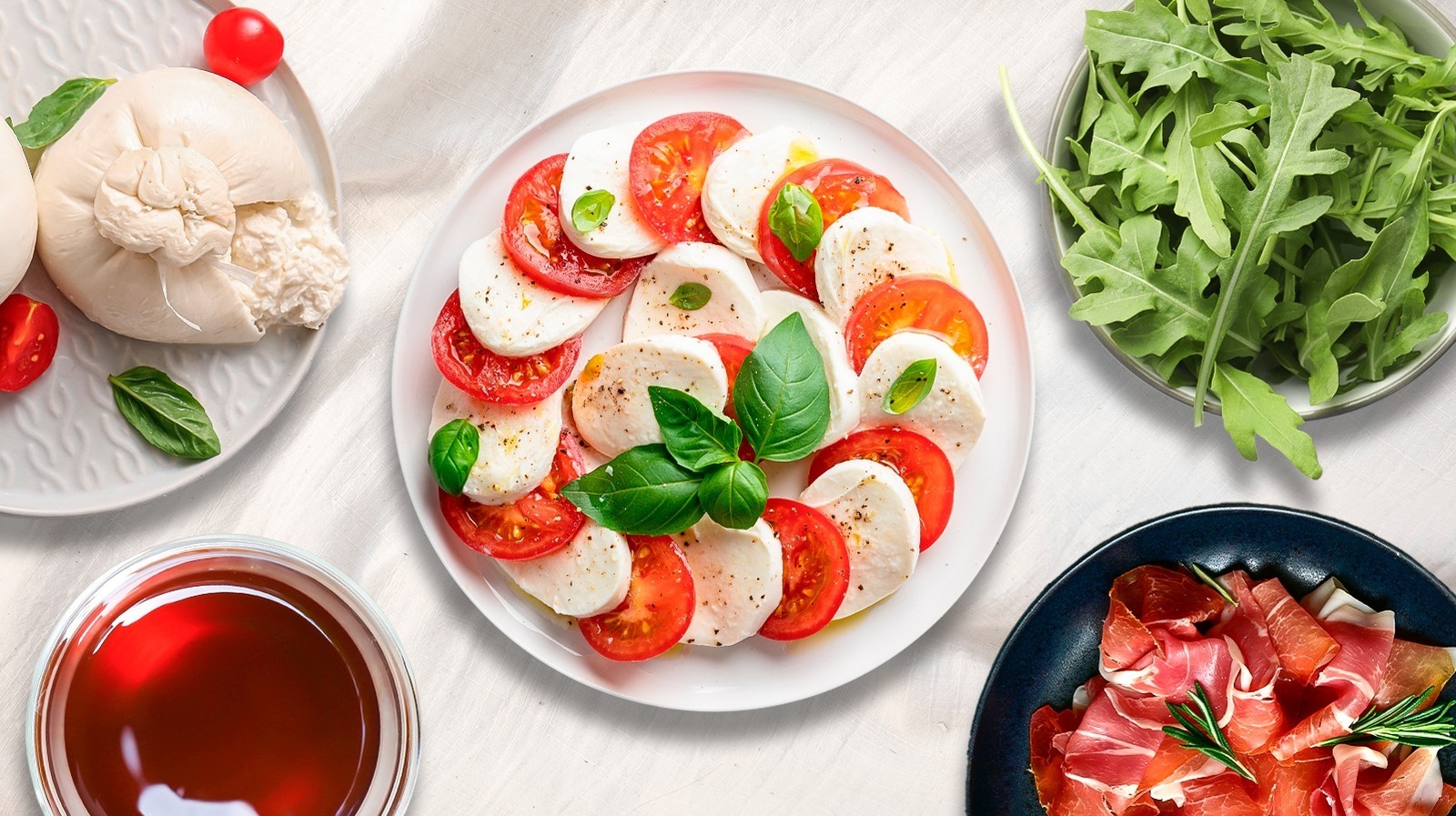
The Caprese salad, with its vibrant hues of red, white, and green, is more than just a dish; it's a culinary ode to Italy. Simple yet profound, it embodies the very essence of fresh, quality ingredients allowed to shine. However, many home cooks find themselves facing a dilemma: a Caprese that's either disappointingly bland or a messy, unappetizing blend of colors. This article delves into the core secrets of an exceptional caprese salad, focusing on the star ingredient—mozzarella—and unveiling the tips, ratios, and flavor nuances that transform it from good to truly unforgettable.
The Heart of the Matter: Mastering Your Mozzarella
At the soul of any exquisite caprese salad lies fresh mozzarella. This isn't the rubbery, low-moisture block you shred for pizzas; we're talking about a delicate, soft, and milky cheese that redefines the mozzarella experience. Fresh mozzarella, often packed in water or whey, boasts a mild, creamy flavor profile, subtly reminiscent of ricotta but with a distinct, springy texture. Unlike most aged cheeses, it carries very little inherent saltiness, allowing other flavors to come to the forefront.
Choosing Your Fresh Mozzarella
- Bocconcini (Baby Mozzarella): These small, pearl-sized balls are a popular choice for Caprese due to their convenient size. They're often called cherry mozzarella or baby mozzarella. The reference context highlights how using small ones can easily match the size of cherry tomatoes, creating a balanced bite.
- Mozzarella di Bufala: For a truly authentic and luxurious experience, seek out mozzarella made from water buffalo milk. Hailing predominantly from the Campania region (the birthplace of Caprese!), it's renowned for its superior creaminess, more pronounced milky flavor, and silkier texture. While pricier, it's a worthy splurge for special occasions.
- Fior di Latte: This refers to fresh mozzarella made from cow's milk. It's more widely available and offers a delightful creaminess, albeit slightly less rich than its buffalo counterpart. Many artisanal versions are excellent and provide a fantastic base for your salad.
Expert Tip: Halving Bocconcini for Balance and Value
While many prefer to keep bocconcini whole, a clever trick to elevate your Caprese is to halve them. This simple act achieves two significant benefits: firstly, it ensures a better balance of tomato and mozzarella in each bite, especially when paired with halved cherry tomatoes. Secondly, fresh mozzarella can be a bit of a premium ingredient, starting around $5-$10 for a tub. Halving the balls makes them go further, offering a more generous-looking salad without necessarily increasing your spend.
Nutritional Aspects and Moderation
It's worth noting that fresh mozzarella, including bocconcini, generally contains fewer calories and less fat than harder cheeses like cheddar. For instance, 100g of fresh mozzarella provides around 280 calories and 17g of fat, significantly less than cheddar's 402 calories and 33g of fat. However, like all cheeses, it is still high in saturated fat, so enjoying this delightful ingredient in moderation is always recommended for cardiovascular health.
The Two-Part Dressing Secret: Flavor Without the Mess
This is arguably the most crucial secret to an outstanding caprese salad. The common pitfall? Drowning delicate mozzarella in balsamic vinegar, which not only overwhelms its mild flavor but also stains those pristine white balls an unappetizing brown. Or, on the flip side, using only plain olive oil, which often leaves the salad tasting rather bland.
The solution, as championed by seasoned chefs and culinary enthusiasts, is a two-tiered dressing approach:
1. The Foundation: A Simple Garlic-Herb Vinaigrette
Instead of relying solely on olive oil, a light vinaigrette infused with garlic and fresh herbs acts as the primary dressing. This provides a foundational layer of flavor that can be gently tossed through the entire salad without fear of staining. The little specks of herbs add visual appeal, and by using less oil than a purely olive oil-based dressing, it can also be a healthier option.
Why it works:
- Flavor Infusion: It coats every ingredient with a subtle, aromatic boost.
- Visual Appeal: The herb specks add texture and color.
- Healthier Option: Typically uses less oil than a straight olive oil dressing.
For detailed instructions on crafting this perfect base, check out our guide on Perfect Caprese Salad: Never Bland or Messy Again with This Dressing.
2. The Finish: A Drizzle of Balsamic Glaze
Once your salad is lightly dressed with the vinaigrette, a final drizzle of balsamic glaze (also known as balsamic reduction) comes into play. This rich, sweet-tangy syrup offers an intense burst of flavor, but its potency means a little goes a long way. Applied just before serving, it creates those iconic dark streaks without compromising the clean look of the mozzarella.
Why it works:
- Intense Flavor: A powerful sweet-tangy counterpoint.
- Aesthetic Appeal: The signature dark drizzle provides a beautiful contrast.
- Control: You can control the amount, preventing flavor overload.
While making balsamic reduction from scratch is straightforward, quality store-bought glazes are readily available, inexpensive, and have a long shelf life, making them a convenient pantry staple.
Crafting Perfection: Ratios, Ingredients & Assembly
Beyond the mozzarella and the dressing, the magic of a transcendent caprese salad lies in the thoughtful selection and arrangement of its remaining components.
The Perfect Ratio: Mozzarella to Tomatoes
While personal preference always plays a role, a highly recommended ratio for an ideal balance of juiciness and creaminess is about 1 part bocconcini to 2 parts cherry tomatoes by weight. This ensures that the creamy, mild mozzarella isn't overwhelmed by the tang of the tomatoes, and each bite offers a delightful interplay of textures and flavors. Feel free to adjust slightly, but this ratio provides an excellent starting point for a harmonious Caprese.
The Supporting Stars: Tomatoes and Basil
- Tomatoes: Opt for ripe, flavorful cherry or grape tomatoes. Their sweetness and acidity perfectly complement the mozzarella. Halving them, as discussed, ensures a consistent bite size with halved bocconcini. If using larger heirloom tomatoes, slice them into thick, uniform rounds.
- Basil: Fresh basil is non-negotiable. Its pungent, peppery-sweet aroma is integral to the Caprese experience. Tear the leaves rather than cutting them to prevent bruising and release their essential oils more naturally.
Assembly: The Art of the Caprese
Assembling your Caprese is as much an art as it is a science.
- Gently combine the halved bocconcini and cherry tomatoes in a bowl.
- Add a generous handful of fresh, torn basil leaves.
- Pour over your garlic-herb vinaigrette and toss gently to ensure everything is lightly coated.
- Arrange the salad artfully on a serving platter or individual plates.
- Just before serving, drizzle sparingly with the balsamic glaze. A sprinkle of flaky sea salt and freshly cracked black pepper will further awaken the flavors.
The beauty of the caprese salad lies in its vibrant simplicity, echoing the colors of the Italian flag. With these techniques, you're not just making a salad; you're crafting an experience.
Beyond the Classic: Serving & Creative Twists
Hailing from the picturesque island of Capri in the Campagna region, the caprese salad carries a rich history, with legends suggesting its appearance at a poet's dinner reception in the 1920s as a patriotic and fresh menu addition. This cult dish of Italian cuisine is famously quick to prepare—often in just 5 minutes—and incredibly versatile.
Traditional and Modern Serving Suggestions
- As a Side: A refreshing accompaniment to almost any meal.
- Light Meal: Paired with crusty bread, it makes for a delightful and satisfying light lunch.
- Appetizer: Serve individual portions for a stunning starter.
- On Toast: Pile it onto toasted bread, perhaps with a smear of smashed avocado, for a hearty snack.
- Skewers: Thread cherry tomatoes, bocconcini, and folded basil leaves onto skewers for an easy party appetizer.
- Warm Caprese: A less common but equally delicious twist involves lightly warming the tomatoes and mozzarella, allowing the cheese to become wonderfully gooey.
Flavor Enhancements
While the classic components are perfect on their own, a few subtle additions can further elevate your caprese salad:
- Flaky Sea Salt: A pinch of high-quality flaky sea salt (like Maldon) provides a delightful textural crunch and a burst of salinity.
- Freshly Cracked Black Pepper: Adds a gentle warmth and aromatic complexity.
- Pesto Drizzle: For an extra layer of herbal richness, a tiny drizzle of homemade or good quality store-bought pesto can be transformative.
- Olives or Capers: For a more Mediterranean twist, a few pitted Kalamata olives or briny capers can add a wonderful salty punch.
Discover more about its historical roots and quick preparation in our article on Authentic 5-Minute Caprese: Taste Italian History & Fresh Flavors.
The caprese salad, at its heart, is a celebration of simplicity. By understanding the nuances of fresh mozzarella, embracing the two-part dressing method, and paying attention to ratios and quality ingredients, you can transform this classic Italian dish into a culinary masterpiece. It's about respecting the integrity of each component, allowing their individual brilliance to converge into a symphony of flavors and textures. Elevate your Caprese, and savor the taste of Italy in every perfect bite.
